When embarking on the quest for the ideal kitchen tap, several pivotal factors come into play. Leading the charge is the tap's construction material, a critical determinant of both its hygienic properties and long-lasting durability. Stainless steel emerges as the premier choice, offering a blend of resilience and ease of maintenance that stands unmatched, thus streamlining your decision-making process.
Kitchen taps primarily hail from two metal families:
- Brass
- Stainless Steel
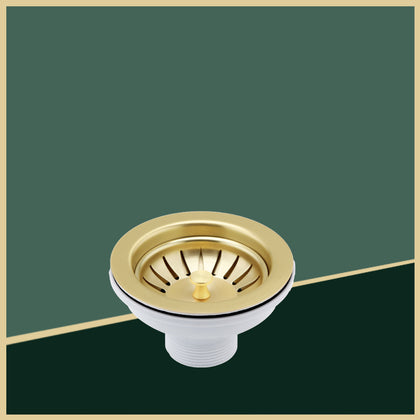
Brass taps, more prevalent in the market, typically boast a layer of chrome plating, adding a sleek finish to their appearance. Beyond chrome, brass taps may also receive a finishing touch of nickel, gold, copper, or other aesthetic coatings like brushed stainless and various colored paints. In contrast, stainless steel taps pride themselves on their uniform composition, devoid of any external coating, presenting the metal in its purest form. This intrinsic quality of stainless steel taps not only ensures a consistent look but also enhances their appeal through the sheer simplicity and integrity of the material.
Brass kitchen tapware

When delving into the realm of brass kitchen tapware, it's pivotal to understand the material specifications that ensure longevity and safety. Experts in the field recommend opting for a brass variant known as Dezincification Resistant (DR) Brass for kitchen taps. This particular type of brass is engineered to withstand the ravages of severe corrosion, particularly in environments where the water is rich in chlorine, oxygen, or carbon dioxide.
However, a point of contention arises with DR Brass due to its potential inclusion of elements like arsenic and lead, sparking concerns about their leaching into drinking water. Despite these apprehensions, industry authorities deem the worries overblown. The reality is that a significant number of tapware producers steer clear of DR Brass altogether. This avoidance suggests that insisting on DR Brass as a material requirement may inadvertently narrow your market choices and elevate costs, without necessarily offering a proportional increase in safety or performance.
Other complaints about brass tapware include:
Concerns surrounding brass tapware extend beyond just the material composition to include issues related to its finish and manufacturing process:
- Necessity for Coating: Brass tapware often requires a protective coating to maintain its appearance and integrity. However, these coatings, including popular chrome finishes, are not immune to wear and tear—they can scratch, peel, become brittle, or wear off over time, diminishing the tapware's aesthetic and functional quality.
- Environmental Impact of Chrome Plating: The process of chrome plating brass taps, while effective for achieving a gleaming finish, is not without its environmental drawbacks. The chemicals used in chrome plating can generate toxic waste, posing challenges for sustainable and eco-friendly manufacturing practices.
- Interior Texturing from Forging: The method used to forge brass taps can introduce texture to the interior surfaces of the tap. This textured surface may become a catch-all for debris over time, potentially compromising the water's quality and taste as it flows through the tap.
Despite these considerations and the debates surrounding the use of Dezincification Resistant (DR) Brass, brass remains a stalwart in the tapware industry. Its popularity is undiminished, thanks in part to its proven reliability and the widespread preference for chromed brass. The chrome finish, applied over the brass tap, transforms it into a visually striking fixture with a mirror-like sheen, continually drawing consumers despite the evolving discussions on materials and environmental impact.
Kitchen tapware in stainless steel

Dive into the world of stainless steel kitchen taps, where functionality meets finesse. Notably, the choice of stainless-steel kitchen tap matters immensely, with 304-grade stainless steel reigning supreme for its unparalleled strength and durability. Here's a closer look at the myriad advantages stainless steel brings to your kitchen's centerpiece.
Unmatched Hygiene: Stainless steel's widespread use in professional kitchens across restaurants, hospitals, and hotels isn't coincidental. Its ease of cleaning and lack of crevices make it an ideal candidate for maintaining top-notch hygiene, standing out as the most sanitary metal choice.
Flawless Interior: Unlike brass taps, stainless steel kitchen taps boast a seamless casting process, ensuring the interior surfaces are free from imperfections where debris could accumulate, guaranteeing a pristine water flow.

Safety First: Free from the concerns of lead and arsenic contamination that shadow DR Brass, stainless steel offers a worry-free solution for your kitchen's water supply.
Robust and Reliable: The inherent hardness of stainless steel means it resists bending, denting, or warping, maintaining its integrity over time.
Purely Solid: With no need for additional coatings, stainless steel maintains its consistency throughout the tap's body, allowing for easy scratch removal and buffing to restore its original sheen.
Versatile Finishes: Whether you prefer a polished or brushed look, stainless steel kitchen mixers can mimic the aesthetic appeal of chromed brass without the environmental downside of the chrome plating process.
Durability for Days: Properly maintained stainless steel boasts a long lifespan, seamlessly blending with any kitchen design for years to come.
Heat Resilient: Its superior temperature tolerance makes it a standout choice for handling hot tasks without a hitch.
Eco-friendly Choice: Beyond its aesthetic and functional benefits, stainless steel is fully recyclable, aligning with eco-conscious values.
While stainless steel tapware might come with a higher upfront cost compared to brass, its long-term value, combined with competitive pricing from brands specializing in sanitary-grade options, makes it a wise investment. For those seeking excellence in their kitchen fixtures, stainless steel is a clear frontrunner. Offering undisputed benefits and a timeless appeal, it promises to elevate your kitchen to a realm of elegance and efficiency that lasts a lifetime.
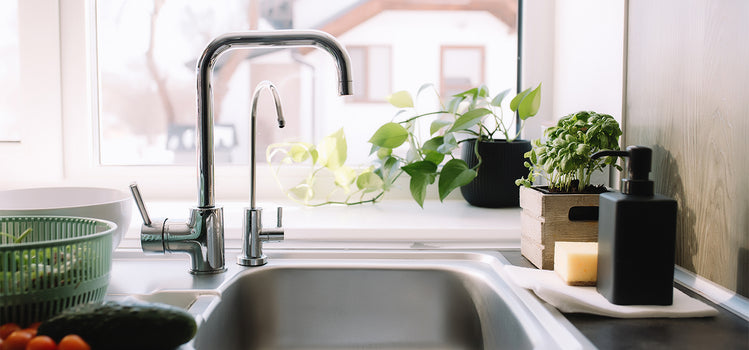
If you're intrigued by the elegance and durability of stainless steel taps and are curious about how they compare with other materials and styles, you might find 'Choice of Kitchen Mixer Taps: Your Ultimate Guide to Style' incredibly enlightening. It’s a comprehensive look at the vast array of options available, helping you make an informed decision that aligns with your kitchen’s aesthetic and functional needs. I came across this guide and thought it could be a valuable resource for anyone considering a kitchen update or renovation.
https://tapron.co.uk/collections/stainless-steel-sink-mixers